
Starting a raised garden bed is one of the greatest moves you will ever make. Your plants will thank you. Right off the bat, you get to skip the junk soil in your yard and start fresh. That is a major win. But your raised garden bed is only as good as the soil you put in it.
If you want real results, it starts with what goes into the box.
Let’s break it all down and get your raised bed garden growing strong:
What Goes in Your Raised Garden Bed?
Your raised garden bed needs a strong foundation, and that foundation is the soil. The ideal mix? Topsoil and compost. That's it, mostly. No fancy blends. No secret recipes. Just real, nutrient-rich dirt.
Topsoil gives your plants something to hold onto, and compost feeds them. A good rule of thumb is 70% topsoil and 30% compost. If your compost is super rich, lean a little heavier on the topsoil. If your soil is too sandy or rocky, bump up the compost. Adjust depending on what you are growing. Greens love compost, and root crops need looser soil. Play it smart.
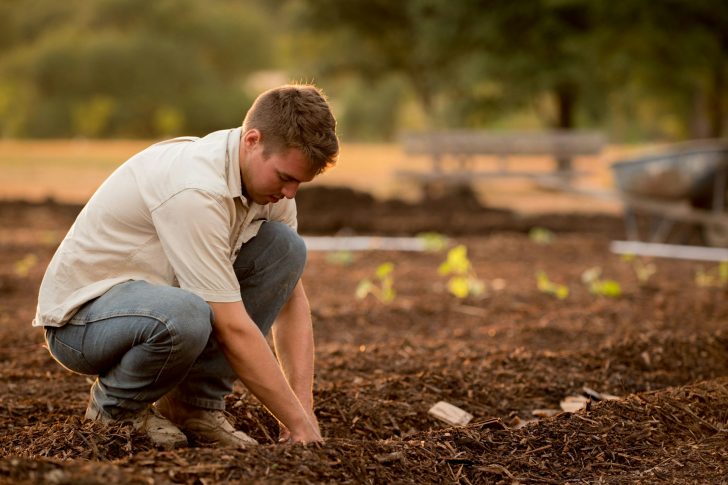
Jed / Unsplash / Filling a raised bed can get expensive. But you don’t need to dump money into bags of soil. Use what you have already got. Start with chunky, natural stuff on the bottom.
Think sticks, branches, or dried leaves. They will break down slowly and help with drainage.
This method saves soil, saves money, and makes your bed lighter. But here is the trick: fill it all the way up from the start. That lower layer is going to settle. If you leave space at the top, your plants could end up sitting too low. Then they don’t get enough sun, and you have got a whole new set of problems.
Keep It Fresh
Soil settles, nutrients vanish, and plants take a lot out of the dirt. That is why you need to top off your raised garden bed once or twice a year. Compost is your go-to. Think of it as feeding your soil a healthy snack.
Do it in spring before you plant and again in fall if your bed looks low. Use aged compost, not the half-rotted stuff. You want rich, black, crumbly compost. That is where the good stuff lives: microbes, nutrients, and everything your garden needs to thrive again next season.
How Deep Should Your Soil Be?
This depends on what you are planting. Shallow-rooted plants like lettuce can get by with 6 inches. Most vegetables do well in 12 inches. Tomatoes and potatoes? Go 18 inches or more.
Hannes / Unsplash / What holds your raised bed together matters the most. Pressure-treated lumber lasts longer and fights rot, but people worry about chemicals.
If you are not sure what you will grow, build deeper. More soil means more options, better drainage, and less stress. Shallow beds can dry out faster and don’t give roots room to stretch. Don’t limit yourself if you can go bigger. A deep raised garden bed gives you more flexibility, plain and simple.
New treatments are safer than the old stuff, but if you are still cautious, keep plants a few inches from the edge.
Or, go with cedar or oak. These woods naturally resist rot and look great, but they cost more. If the budget is tight, line the inside of the bed with thick plastic to block potential leaching. Just make sure there are holes for drainage. You don’t want your soil swimming in water.
Before you even pour in soil, plan your layout. Keep your raised garden bed no wider than 4 feet if you want access from both sides. If you can’t reach the middle, you will end up stepping on your soil and compacting it, which is a problem.